Embossing vs. Laser Engraving: Personalizing Leather Goods
Embossing vs. Laser Engraving: Personalizing Leather Goods
Personalizing leather items adds a touch of character and exclusivity. Two primary methods are commonly used: embossing and laser engraving.
While embossing stands out for its durability and ease of maintenance, it is generally more expensive and less flexible due to the need for specialized tools. Laser engraving, on the other hand, offers great design flexibility and lower costs, but it damages the leather surface through burning and tends to lose its aesthetic appeal over time. Both methods have their own specific value and applications.
Hot Foil Stamping & Blind Embossing
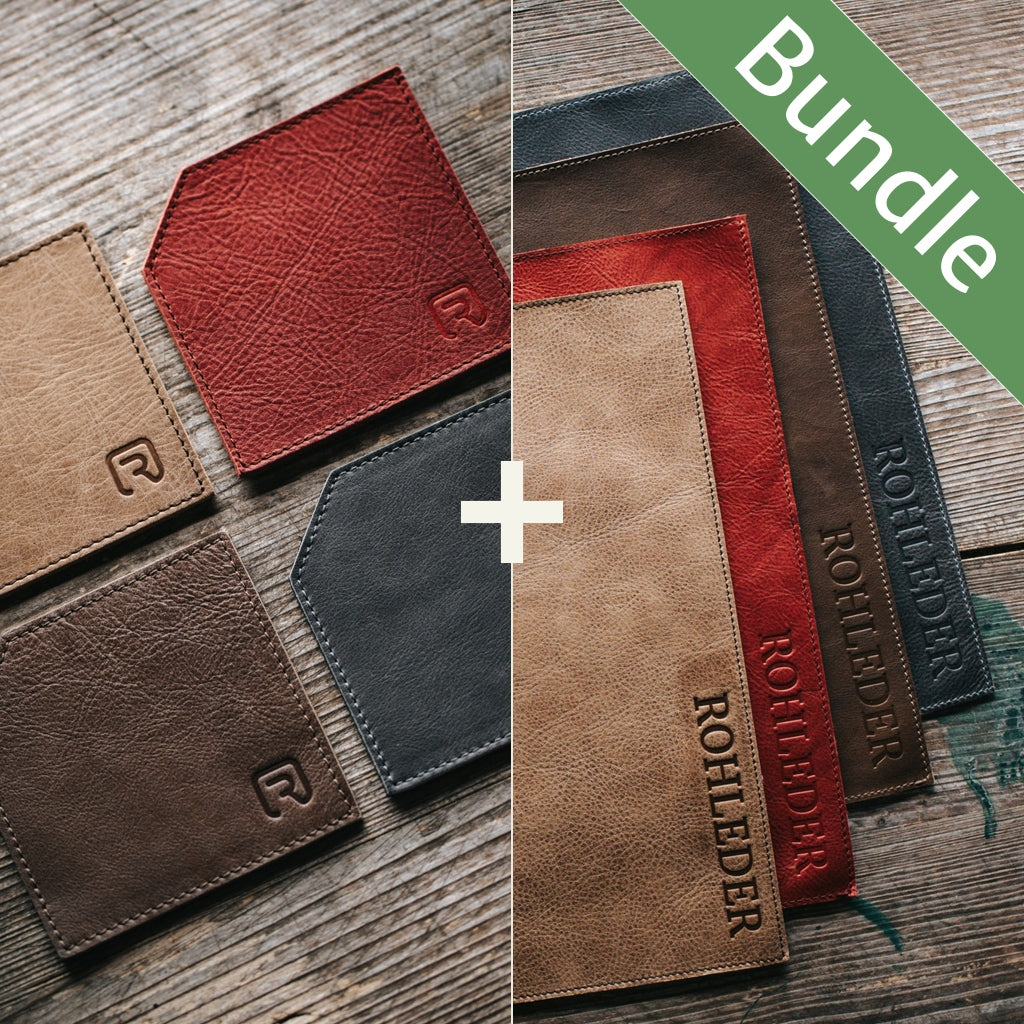
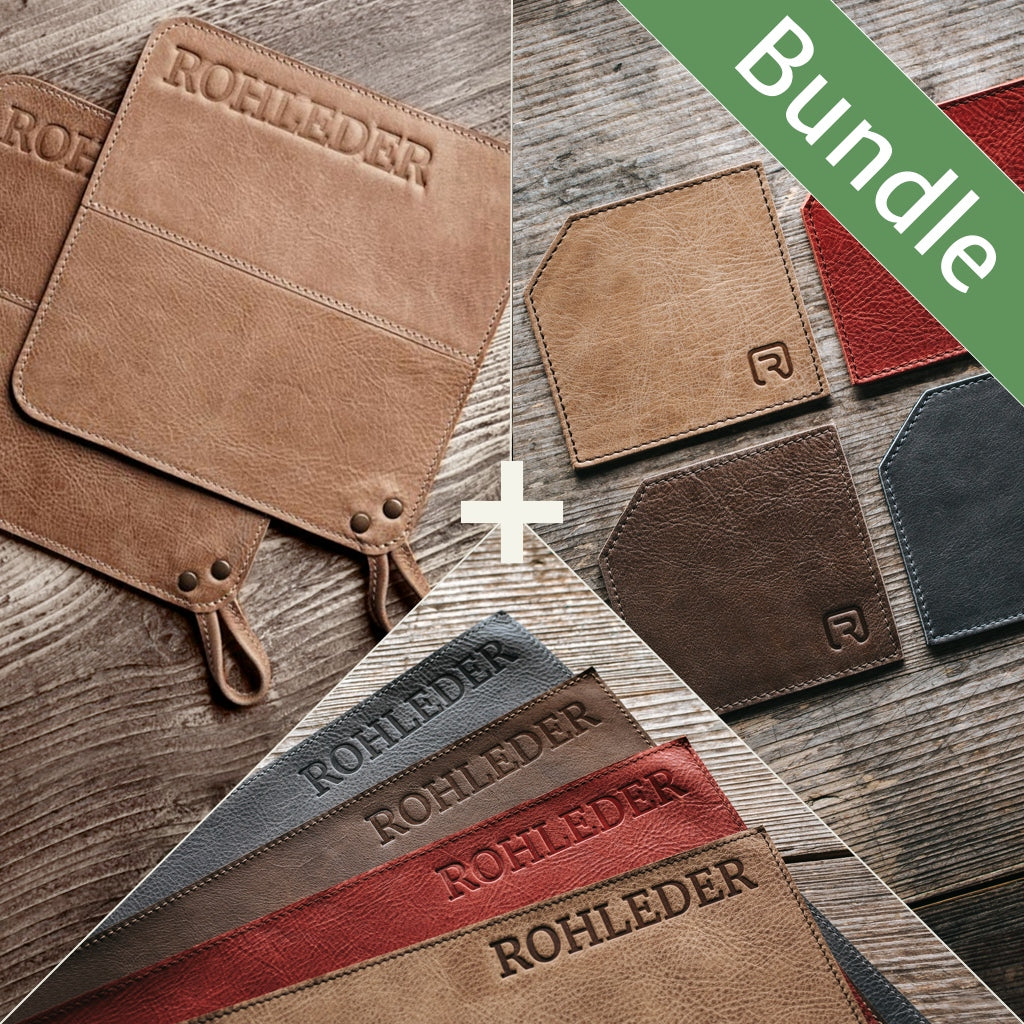
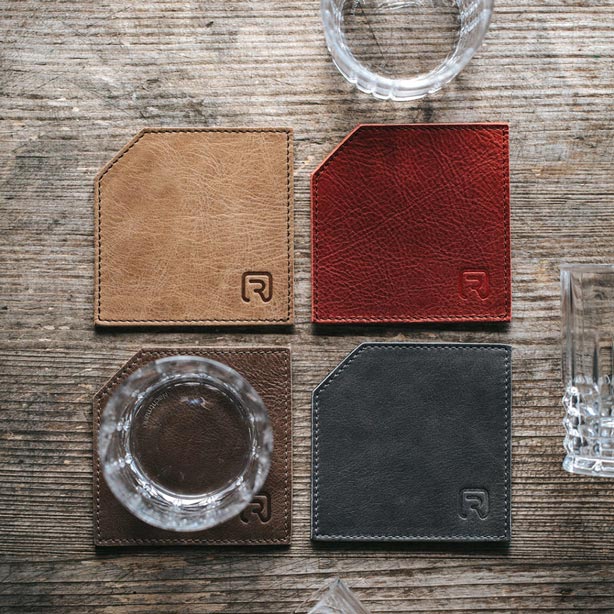
Embossing is a time-tested method where a design is pressed into the leather using heat to create a deep, lasting pattern. This technique maintains its distinctive look for years and provides the leather with a sophisticated appearance. The process creates soft, defined edges and a subtle color contrast on the material. Furthermore, the leather remains easy to clean and is less prone to accumulating dirt or dust.
However, the need for custom brass dies (stamps) for every unique design significantly increases the cost. If pre-made tools or standard letter sets are used, the costs become comparable to laser engraving, though the choice of design is then limited to the available tooling.
Laser Engraving
Laser engraving is a more modern technique that allows any image or text to be burned onto the leather without the need for physical tools. This offers immense design flexibility—as any digital image can be used—and is often the more budget-friendly option.
However, as described, the laser burns the design into the material, removing the top layer of the leather and causing permanent structural damage. Laser-engraved personalizations have a precise look with extremely sharp edges but feel rough to the touch. The carbon residue created by the burning process gives the design a dark tint, which can fade or smudge over time. Additionally, the engraved area is harder to clean because the protective top grain has been removed, and frequent movement can lead to the leather peeling at the edges.
Summary
In conclusion: If you are looking for a durable, low-maintenance personalization method and are willing to accept slightly higher costs, embossing is the ideal choice. However, if you prioritize design flexibility and lower initial costs—and are prepared for earlier signs of wear and tear—laser engraving may be the right option for you.
Both methods will provide your leather goods with a unique, individual touch.